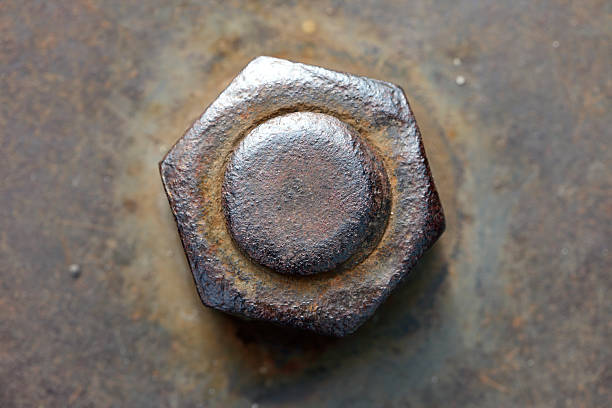
Slide’s Copper Anti-Seize Compound has more metallic solids than other brands for increased performance and higher levels of temperature stability, offering additional protection for mold components. Resisting thread damage, seizing and galling to 1800°F/982°C, our Copper Anti-Seize Compound lowers friction and reduces torque. It is compatible with most metals and plastics, protects against rust and corrosion, improves assembly and disassembly, and allows the reuse of damaged or threaded parts. It will not harden, drip or separate.
Get Quote
Anti-Seize compounds are essential products for mold makers, mold maintenance techs and others who work with metal materials. These formulations help keep machinery running smoothly by alleviating corrosion and subsequent galling/seizing on bolts, flanges, fasteners and other clamped surfaces.
Proper selection and application of an anti-seize compound provides many benefits:
Lubrication of surfaces during operation to reduce wear
Help prevent damage to components during assembly and disassembly
Protection against rust and corrosion
Reduces friction and torque, lubricates surfaces at high temperatures
Resists thread damage, seizing and galling at high temperatures
Increases performance, temperature stability and protection of components